
Table of Contents
Buying a car is a major decision, and one of the first questions many buyers ask is:
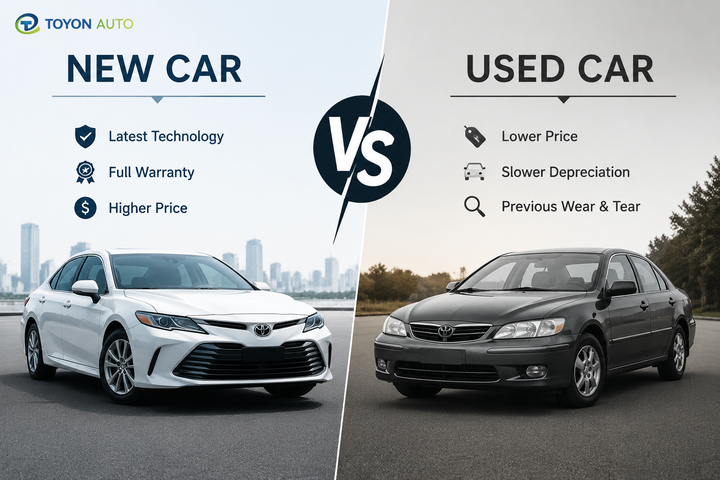
Should I buy a new car or a used car?
With rising vehicle prices, changing fuel costs, and the growing popularity of electric and hybrid vehicles, more consumers are carefully comparing the advantages of new cars vs used cars before making a purchase.
A new vehicle offers the latest technology and warranty protection, while a used vehicle can provide better value and lower upfront costs. The right choice depends on your budget, driving needs, and long-term ownership plans.
This guide compares new cars and used cars from the aspects of price, depreciation, reliability, maintenance, technology, and resale value.
New Car vs Used Car: Key Differences
| Comparison Factor | New Car | Used Car |
|---|---|---|
| Purchase Price | Higher upfront cost | More affordable price |
| Depreciation | Faster value loss in the first years | Lower depreciation rate |
| Warranty | Usually includes manufacturer warranty | Depends on vehicle age and condition |
| Technology | Latest features and safety systems | May have older technology |
| Maintenance | Lower repair costs initially | May require more maintenance |
| Value | Best for long-term ownership | Better cost efficiency |
1. Purchase Price: Used Cars Offer More Affordable Options
One of the biggest advantages of buying a used car is the lower purchase price.
New vehicles usually come with higher prices because buyers are paying for the latest model, advanced features, and full warranty coverage.
A used car allows buyers to:
- Purchase a higher-end model within the same budget
- Avoid high initial costs
- Reduce monthly payments
- Access more vehicle choices
For many buyers, especially first-time car owners or businesses purchasing multiple vehicles, used cars provide a more cost-effective solution.
2. Depreciation: Why Used Cars Can Provide Better Value
Vehicle depreciation is an important factor that many buyers overlook.
New cars typically experience the biggest depreciation during the first few years after purchase. In some markets, a new vehicle can lose a significant portion of its value shortly after leaving the dealership.
Used cars usually have already passed the steepest depreciation period.
This means buyers can enjoy:
- Lower purchase costs
- Better resale value stability
- Reduced financial loss over ownership
For buyers focused on long-term value, purchasing a quality used vehicle can be a smart choice.
3. Reliability and Maintenance Costs
Many people believe that new cars are always more reliable, but modern used cars can also offer excellent performance when properly inspected and maintained.
A new car provides advantages such as:
- Factory warranty coverage
- No previous usage history
- Latest engineering improvements
A used car requires more attention to:
- Vehicle condition
- Maintenance records
- Mileage
- Inspection reports
Choosing a reliable supplier and completing a professional vehicle inspection are important steps when purchasing a used vehicle.
4. Technology and Safety Features
New cars usually have the latest automotive technologies, including:
- Advanced driver assistance systems (ADAS)
- Improved infotainment systems
- Better connectivity features
- Enhanced safety technologies
For buyers who prioritize the newest features, a new car may be the better option.
However, many recent used cars already include modern features such as:
- Automatic emergency braking
- Adaptive cruise control
- Smart entertainment systems
- Parking assistance
A carefully selected used vehicle can still provide advanced driving experiences at a lower price.
5. New Energy Vehicles: New vs Used EVs and Hybrid Cars
With the rapid growth of electric vehicles (EVs) and hybrid vehicles, many buyers are also asking:
Should I buy a new electric car or a used electric vehicle?
New EVs usually provide:
- Latest battery technology
- Longer driving range
- Updated software systems
- Full warranty coverage
Used EVs can offer:
- Lower purchase prices
- Access to premium models
- Reduced depreciation costs
Before buying a used EV, buyers should check:
- Battery health
- Charging performance
- Remaining warranty
- Vehicle history
6. Which One Is Better for Your Situation?
A new car may be the right choice if you:
✅ Want the latest technology and safety features
✅ Prefer full warranty protection
✅ Plan to keep the vehicle for many years
✅ Want a customized configuration
A used car may be the better choice if you:
✅ Have a limited budget
✅ Want better value for money
✅ Need multiple vehicles for business use
✅ Prefer lower depreciation costs
Conclusion: New Car or Used Car?
There is no universal answer to whether a new car or used car is better. The best choice depends on your priorities.
New cars provide the benefits of the latest technology, warranty protection, and zero previous ownership. Used cars offer affordability, lower depreciation, and excellent value when properly selected.
For many buyers, a high-quality used vehicle from a trusted supplier can provide the ideal balance between price, performance, and reliability.
Before making a decision, consider your budget, driving habits, maintenance expectations, and long-term ownership goals. Choosing the right vehicle is not just about buying a car — it is about finding the best transportation solution for your needs.
FAQs
1. Why do many buyers choose used cars instead of new cars?
Many buyers choose used cars because they can get:
Lower purchase costs
Better value for money
More vehicle choices within their budget
Lower depreciation compared with new cars
2. Are used cars safe to buy?
Yes, used cars can be safe to buy when purchased from reliable suppliers and properly inspected. A professional vehicle inspection helps identify mechanical issues and ensures the vehicle meets quality standards.
3. What should I check before buying a used car?
Before purchasing a used car, buyers should check:
Vehicle history report
Mileage accuracy
Accident records
Engine and transmission condition
Exterior and interior condition
Maintenance records
Inspection report
4. Should I buy a new car or a used car for daily commuting?
For daily commuting, both options can work. A new car may be better if you want maximum reliability and the latest fuel-saving technology, while a used car can be a smarter choice if you want lower ownership costs.
5. Do new cars lose value faster than used cars?
Yes. New cars typically experience the fastest depreciation during the first few years of ownership. Used cars generally depreciate more slowly because the initial value drop has already occurred.
6. Is it better to buy a new car or a used car?
It depends on your budget, driving needs, and priorities. A new car offers the latest technology, full warranty coverage, and lower maintenance risks, while a used car usually provides a lower purchase price, slower depreciation, and better value for money.