
Table of Contents
Buying a used car can be a cost-effective choice for individual buyers, car dealers, and international vehicle buyers. However, finding reliable used cars requires more than comparing mileage and prices.
Whether you are purchasing one vehicle for personal use or sourcing wholesale used cars for your dealership, a proper used car inspection can help identify hidden problems and reduce unexpected repair costs.
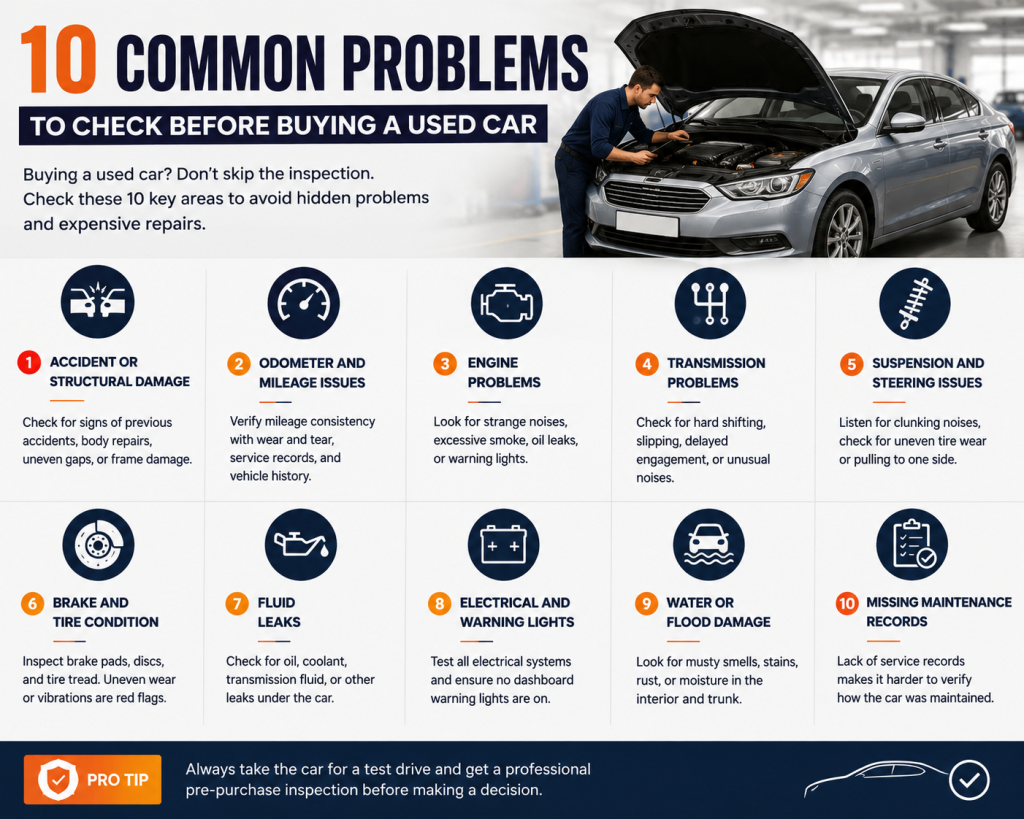
Here are 10 common problems to check before buying a used vehicle.
1. Accident or Structural Damage
Check the body panels, paint, doors, hood, trunk, and panel gaps for signs of previous repairs. Mismatched paint, uneven gaps, welding marks, or repaired structural components may indicate accident damage.
For car dealers and international buyers, checking accident history is particularly important when evaluating vehicles for resale.
2. Odometer and Mileage Issues
Mileage is an important factor when evaluating a used vehicle, but it should always be considered together with the vehicle's overall condition.
Compare the odometer reading with maintenance records and wear on the steering wheel, pedals, seats, and other interior components.
A well-maintained used vehicle with higher mileage can sometimes be a better choice than a poorly maintained vehicle with lower mileage.
3. Engine Condition
The engine is one of the most important components to inspect. During a test drive, check for difficult starting, rough idling, unusual noises, poor acceleration, excessive exhaust smoke, or dashboard warning lights.
Also look for oil or coolant leaks around the engine.
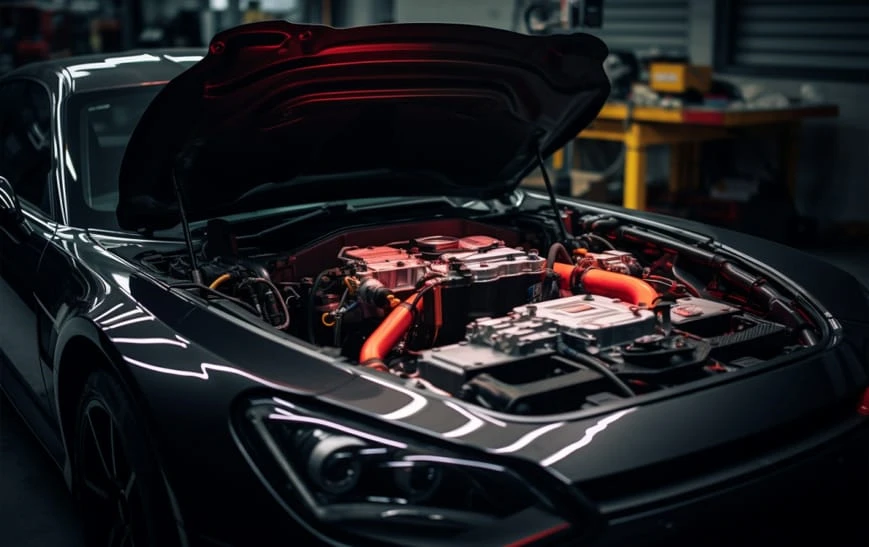
For buyers sourcing quality used cars, engine condition should be a key part of the vehicle evaluation process.
4. Transmission Performance
Pay attention to gear changes during the test drive. Hard shifting, slipping, delayed engagement, unusual noises, or hesitation may indicate transmission problems.
For used car dealers and wholesale buyers, transmission condition can directly affect vehicle maintenance costs and resale value.
5. Suspension and Steering
Drive the vehicle on different road surfaces and listen for unusual knocking or rattling sounds.
Check whether the car pulls to one side, feels unstable, or shows uneven tire wear.
A reliable used SUV or used sedan should provide stable handling without obvious steering or suspension problems.
6. Tires and Brakes
Inspect the tire tread, sidewalls, and wear patterns. Uneven wear may indicate alignment or suspension issues.
During the test drive, check for brake vibration, grinding noises, or unusual pulling when braking.
For buyers comparing affordable used cars, remember to consider potential tire and brake replacement costs when calculating the total purchase cost.
7. Fluid Leaks
Check underneath the vehicle and around the engine compartment for oil, coolant, transmission fluid, or other leaks.
Visible fluid stains can indicate mechanical problems that may require further investigation.
A professional used car inspection can help identify leaks that may not be obvious during a quick inspection.
8. Electrical and Electronic Systems
Test the headlights, indicators, power windows, mirrors, air conditioning, infotainment system, parking sensors, and other electrical features.
Also check whether any dashboard warning lights remain illuminated after starting the vehicle.
For quality used vehicles, properly functioning electrical systems are important for both reliability and resale value.
9. Water or Flood Damage
Check for musty odors, damp carpeting, unusual interior stains, corrosion, or moisture inside the trunk and cabin.
Previous flood damage can lead to long-term electrical and corrosion problems.
This is especially important for international vehicle buyers and used car exporters sourcing vehicles for overseas markets.
10. Maintenance and Vehicle History
Ask for available service records, repair invoices, inspection reports, and information about major component replacements.
A complete maintenance history provides valuable information about how the vehicle was cared for.
For car dealers, fleet buyers, and wholesale used car buyers, reliable vehicle history can make it easier to evaluate purchase costs and future resale potential.
Why Professional Used Car Inspection Matters
A visual inspection and test drive are useful, but they cannot reveal every hidden problem.
Before purchasing, consider arranging a professional pre-purchase inspection. A qualified technician can evaluate the engine, transmission, brakes, suspension, electrical system, tires, underbody, and other critical components.
For B2B buyers, working with a trusted used car supplier or experienced used car exporter can also provide access to vehicle inspection reports, maintenance records, specifications, and other important information before purchase.
Used Car Inspection Checklist
Before buying a used vehicle, check:
- Accident and structural damage
- Mileage consistency
- Engine condition
- Transmission performance
- Suspension and steering
- Tires and brakes
- Fluid leaks
- Electrical systems
- Flood or water damage
- Maintenance and vehicle history
The best used car is not necessarily the cheapest vehicle or the one with the lowest mileage. A reliable, well-maintained used vehicle with transparent history can provide better long-term value.
For dealers and international buyers, choosing a reliable used car supplier and completing a professional inspection can also help reduce purchasing risks and build a more dependable vehicle sourcing process.
FAQs
1. What should I check before buying a used car?
Before buying a used car, check the vehicle's mileage, accident history, engine, transmission, brakes, tires, suspension, electrical systems, fluid leaks, and maintenance records. A professional used car inspection can help identify hidden problems.
2. What are the most common problems with used cars?
Common used car problems include engine issues, transmission problems, worn brakes and tires, suspension damage, fluid leaks, electrical faults, accident damage, and poor maintenance. The risk varies depending on the vehicle's age, mileage, model, and service history.
3. How do I know if a used car has been in an accident?
Check for mismatched paint, uneven panel gaps, repaired body panels, welding marks, frame damage, and differences in paint texture. You can also request a vehicle history report and professional inspection to identify previous accident damage.
4. What mileage is considered good for a used car?
There is no universal mileage limit for a reliable used car. Maintenance history, vehicle age, driving conditions, and overall mechanical condition are equally important. A well-maintained used vehicle with higher mileage may be a better choice than a poorly maintained low-mileage car.
5. How can I check the engine condition of a used car?
Start the engine and listen for unusual noises, rough idling, difficulty starting, excessive smoke, or warning lights. You should also check for oil and coolant leaks. For higher-value vehicles, a professional pre-purchase inspection is recommended.
6. Should I get a professional inspection before buying a used car?
Yes. A professional used car insHow can international buyers reduce the risk when sourcing used cars?pection can identify mechanical, electrical, structural, and safety issues that may not be obvious during a visual inspection or test drive.