
Table of Contents
When choosing a car, one of the most common questions is SUV vs Sedan: which is better for your needs? Both body styles have their own advantages, and the right choice depends on your budget, driving habits, family size, road conditions, and long-term ownership expectations.
Instead of choosing based only on appearance, it is worth comparing SUV vs Sedan from several practical aspects, including space, fuel economy, comfort, driving experience, maintenance costs, and versatility.
SUV vs Sedan: What Is the Main Difference?
The biggest difference between an SUV and a sedan is their body design and driving position. SUVs generally have a higher ground clearance, a taller body, and more interior and cargo space. Sedans have a lower center of gravity and a more streamlined body, which often makes them easier to drive and more fuel-efficient.
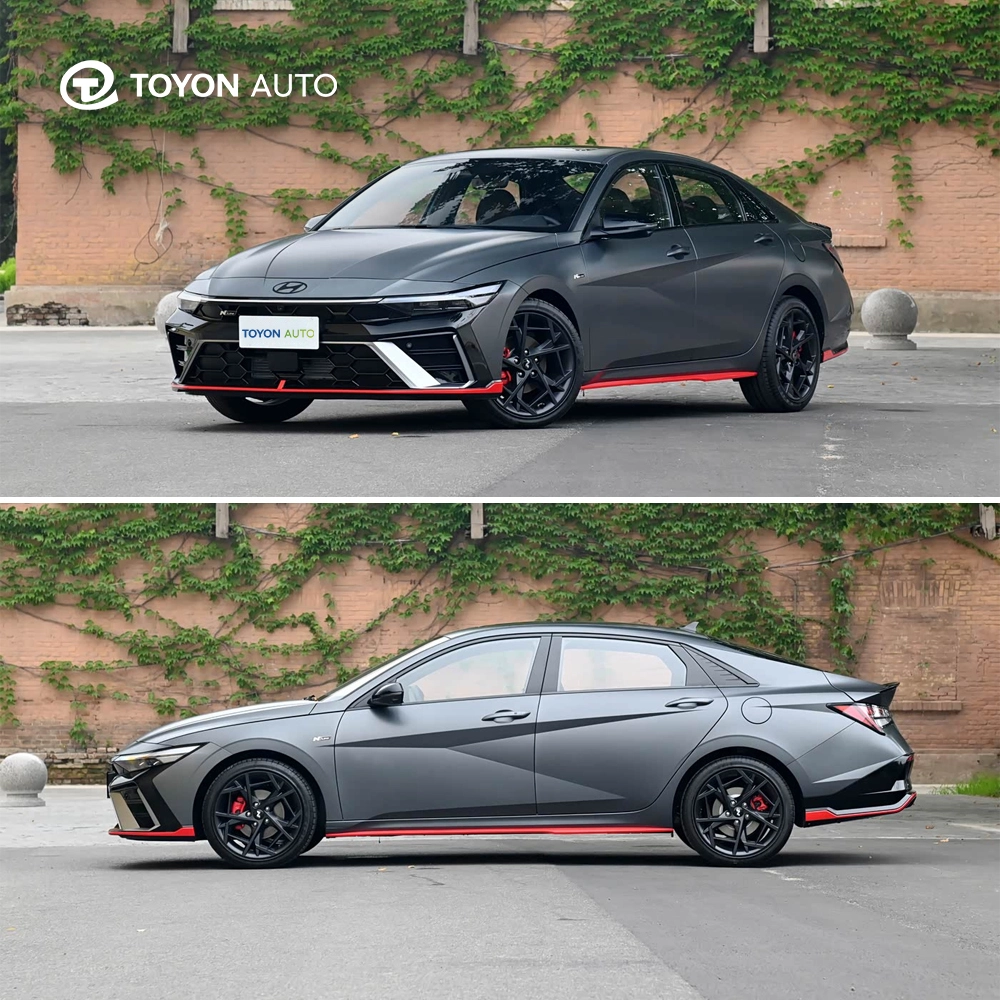
If you frequently drive in cities and mainly need a vehicle for commuting, a sedan may be enough. If you regularly carry passengers, luggage, or larger items, an SUV can offer greater flexibility.
SUV vs Sedan for Family Use
For families, an SUV is often a practical choice for family transportation. Most SUVs provide more rear-seat space and a larger cargo area, which can be useful when traveling with children, luggage, or sports equipment.
A sedan can still be a comfortable family car, especially for small families. Its lower seating position can make getting in and out easy, while the trunk provides sufficient storage for everyday shopping and commuting.
If you are looking for the best family SUV, consider passenger space, cargo capacity, safety features, fuel consumption, and maintenance costs rather than focusing only on vehicle size.
Fuel Economy: SUV vs Sedan
Fuel economy is another important consideration when comparing SUV vs Sedan fuel consumption.
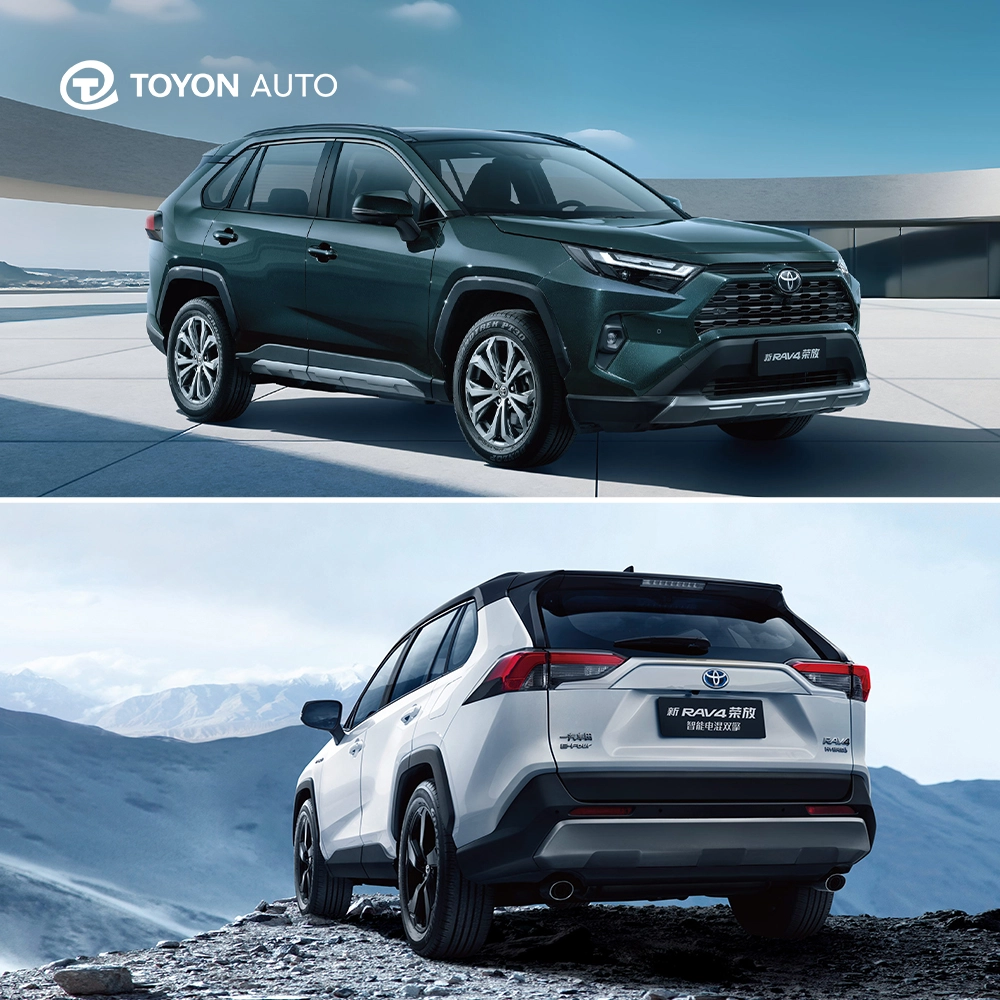
Because SUVs are generally heavier and have a larger body, many models consume more fuel than comparable sedans. Sedans usually have better aerodynamics and lower weight, making them an attractive option for drivers who prioritize fuel efficiency.
However, modern compact SUVs can offer relatively good fuel economy. If fuel costs are an important part of your budget, compare the actual fuel consumption of specific models rather than assuming that every SUV is less efficient.
Driving Comfort and Handling
Sedans typically have a lower center of gravity, which can provide stable handling and a smoother driving feel on paved roads. They are particularly suitable for urban driving, highways, and daily commuting.
SUVs provide a higher driving position, which many drivers prefer because it offers a better view of surrounding traffic. The higher ground clearance can also be useful when driving on uneven roads, rural roads, or areas with poor road conditions.
For buyers searching for the best car for city driving, a compact sedan or compact SUV can both be good options depending on personal preferences.
Cargo Space and Practicality
If cargo space is a priority, an SUV generally has an advantage. The larger rear storage area and flexible seating configuration make SUVs useful for family trips, outdoor activities, and business purposes.
Sedans have a separate trunk that provides secure storage while maintaining a relatively compact body. For drivers who rarely transport large items, the trunk of a sedan may provide all the space they need.
SUV vs Sedan: Which Is More Affordable?
Purchase price is only one part of the total cost of ownership. Buyers should also consider fuel, insurance, maintenance, tires, and potential repair costs.
A sedan may offer a lower purchase price and better fuel economy, making it attractive for budget-conscious buyers. SUVs can cost more initially, but their additional space and versatility may provide better value for families or users with more demanding transportation needs.
When buying a used SUV or used sedan, condition, mileage, maintenance history, and previous accident records are often more important than body style alone.
SUV or Sedan: Which One Should You Choose?
There is no universal answer to SUV vs Sedan. Your lifestyle should determine your choice.
Choose an SUV if you need:
- More passenger and cargo space
- Higher ground clearance
- A higher driving position
- Better versatility for family trips
- More flexibility for rough or uneven roads
Choose a sedan if you prioritize:
- Better fuel economy
- Lower purchase and running costs
- Easy city driving and parking
- Comfortable highway driving
- A lower and more streamlined vehicle design
Ultimately, the best SUV or sedan for you is the one that matches your daily driving needs and budget. Before making a purchase, compare specific models based on fuel economy, reliability, maintenance costs, interior space, safety features, and vehicle history. This approach can help you make a more informed decision and find a car that delivers better value over the long term.
FAQs
1. Is an SUV better than a sedan?
Not necessarily. An SUV is usually better for buyers who need more passenger space, cargo capacity, higher ground clearance, or a higher driving position. A sedan may be a better choice for drivers who prioritize fuel economy, easier parking, and lower ownership costs.
2. Which is more fuel-efficient, an SUV or a sedan?
In general, sedans tend to offer better fuel economy because they are usually lighter and more aerodynamic. However, fuel consumption varies by model, engine, drivetrain, and driving conditions, so it is best to compare specific vehicles.
3. Is an SUV or sedan better for a family?
An SUV is often a practical family vehicle because it provides more cabin and cargo space. However, a sedan can also be a good family car for smaller families who mainly drive in cities and do not need extra cargo capacity.
4. Which is better for city driving, an SUV or a sedan?
A sedan can be easier to maneuver and park in crowded urban areas. A compact SUV can also work well for city driving while providing a higher seating position and additional cargo space.
5. Which has more cargo space, an SUV or a sedan?
SUVs generally offer more flexible cargo space, especially models with foldable rear seats. Sedans have a separate trunk, which is suitable for everyday luggage, groceries, and smaller items.
6. Is an SUV more comfortable than a sedan?
Comfort depends heavily on the specific vehicle. SUVs often provide a higher seating position and more headroom, while sedans may offer smoother handling and a more stable driving feel on paved roads.
7. Which is cheaper to maintain, an SUV or a sedan?
Sedans are often less expensive to operate because they may have lower fuel consumption and lower tire and maintenance costs. However, maintenance expenses depend on the vehicle model, engine, age, mileage, and parts availability.