
Toyota RAV4 Hybrid vs PHEV is a practical comparison for buyers choosing between lower purchase complexity and more electric driving capability. The right answer depends on daily routes, charging access, budget and the exact market specification.
Table of Contents
The 2026 Toyota RAV4 enters its sixth generation with a major change: the entire U.S. lineup is now electrified, with buyers choosing between a traditional Hybrid Electric Vehicle (HEV) and a Plug-in Hybrid Electric Vehicle (PHEV). Both offer strong efficiency and SUV practicality, but their powertrains, driving range and prices are quite different.
So, which 2026 Toyota RAV4 Hybrid vs PHEV is the better choice?
Price: Hybrid Is More Affordable
Price is one of the biggest differences. The 2026 RAV4 Hybrid starts at $31,900 MSRP for the FWD model in the U.S., before dealer processing and handling fees. The 2026 RAV4 PHEV starts at $41,500 MSRP for the SE, making it significantly more expensive.
For buyers who want an efficient SUV without a large upfront premium, the Hybrid is the more budget-friendly option. The PHEV may make more sense for drivers who can regularly charge at home or work and take advantage of its electric driving capability.
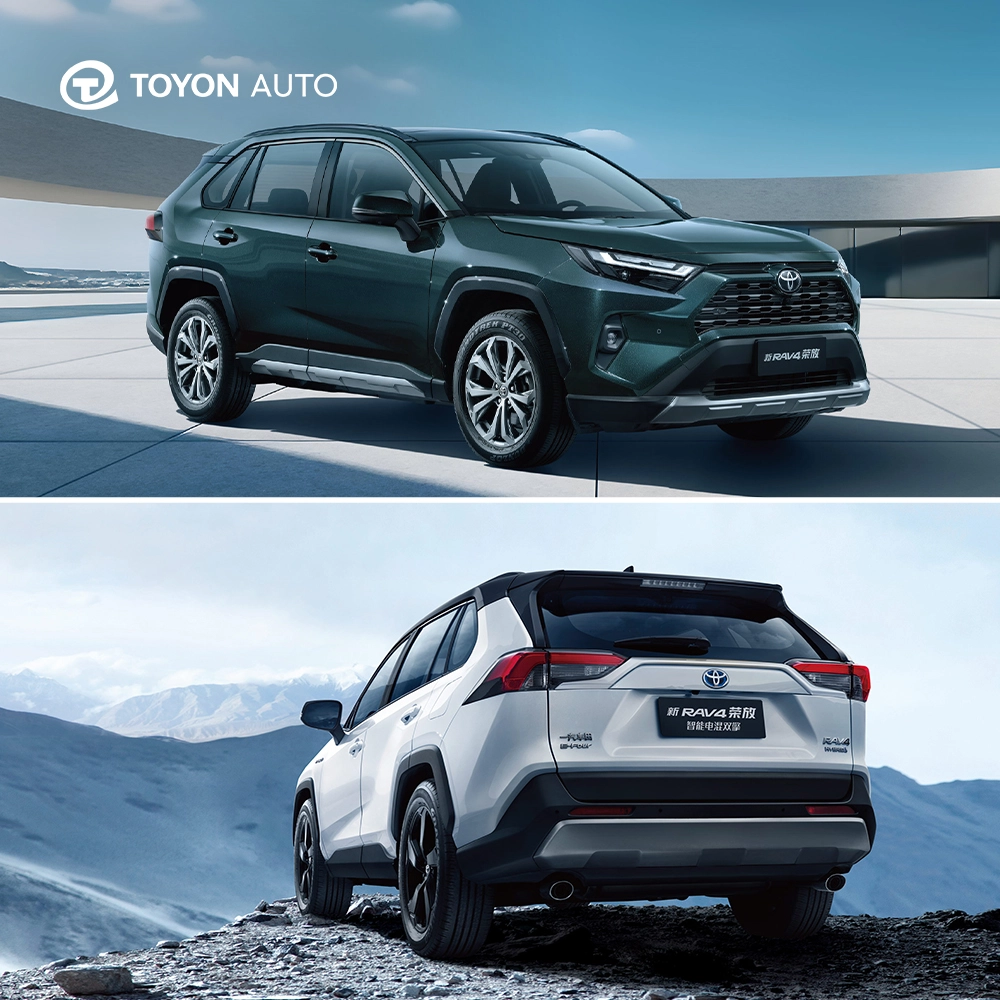
Electric Range: PHEV Has the Advantage
The biggest benefit of the PHEV is its ability to drive using electricity alone.
The 2026 RAV4 PHEV SE offers a manufacturer-estimated 52 miles of all-electric driving range, while the Woodland and GR SPORT versions are rated at 49 and 48 miles respectively.
The standard RAV4 Hybrid does not offer a comparable plug-in electric range. Its battery is automatically charged through the hybrid system and regenerative braking, so there is no need to plug the vehicle into a charger.
This makes the Hybrid particularly convenient for drivers who frequently travel long distances or do not have convenient access to charging.
Performance: PHEV Is More Powerful
If performance is important, the PHEV has a clear advantage.
The 2026 RAV4 Hybrid produces 226 net combined horsepower with FWD and 236 horsepower with AWD. The PHEV delivers a much stronger 324 net combined horsepower and comes with AWD as standard.
Toyota estimates the RAV4 PHEV can accelerate from 0–60 mph in 5.4 seconds, giving it significantly quicker acceleration than the standard Hybrid.
For buyers who want a more responsive SUV, the PHEV is therefore the stronger choice.
Fuel Economy: Both Are Efficient
The RAV4 Hybrid remains highly efficient without requiring external charging. The most efficient FWD Hybrid versions are rated at up to 43 mpg combined, according to Toyota's manufacturer estimates.
The PHEV SE and XSE are estimated at up to 40 mpg combined when operating as a hybrid, in addition to their electric-only range.
In other words, the PHEV's main advantage is not simply gasoline fuel economy. Its real benefit comes from being able to replace many short gasoline-powered trips with electric driving.
Which RAV4 Should You Choose?
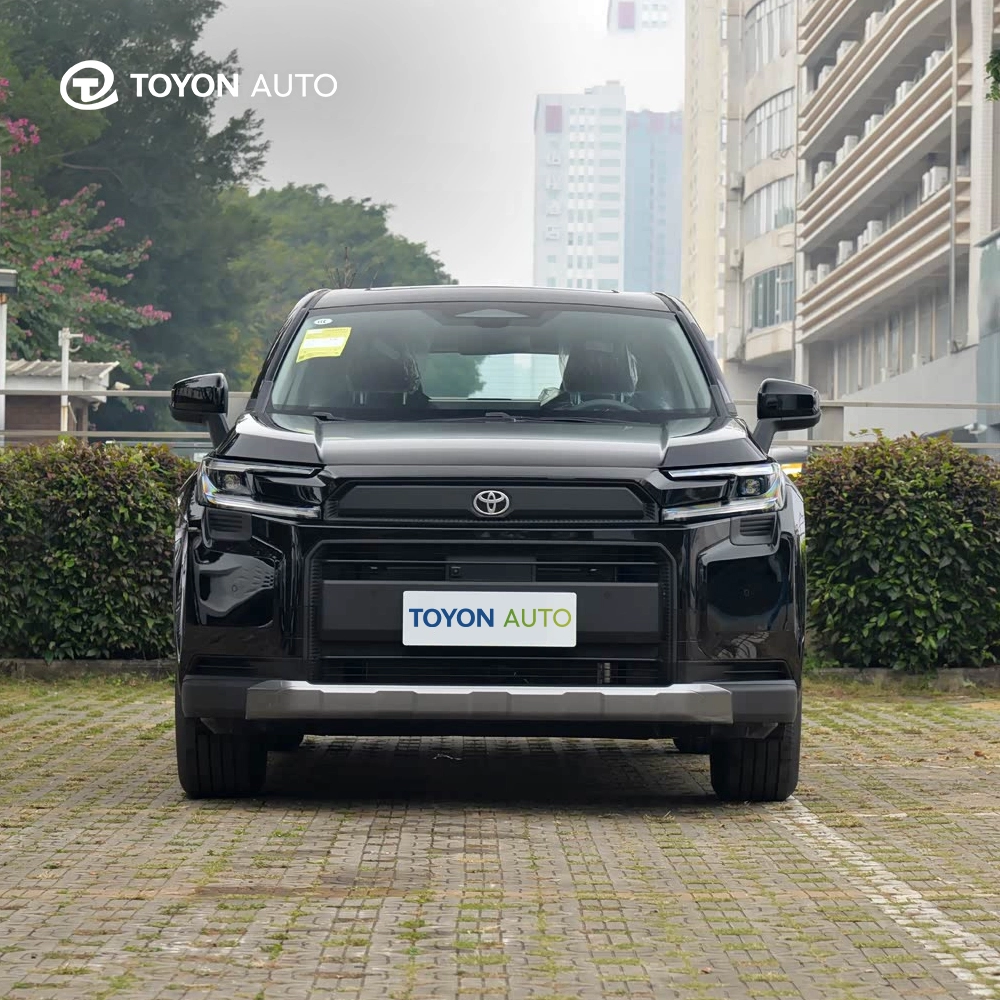
Choose the 2026 Toyota RAV4 Hybrid if you want:
- A lower purchase price
- Excellent fuel economy
- No need for regular charging
- Convenient long-distance driving
- FWD or AWD options depending on trim
Choose the 2026 Toyota RAV4 PHEV if you want:
- Up to 52 miles of electric range
- 324 hp of combined power
- Standard AWD
- Faster acceleration
- The ability to charge at home or work
What Should Importers Confirm Before Ordering?
A Toyota RAV4 Hybrid vs PHEV quotation should identify the model year, trim, drivetrain, charging interface and destination-market documentation. Dealers also need to compare customer access to charging, expected annual mileage and after-sales support before selecting inventory.
Current brand information is available from Toyota RAV4 Hybrid product page on Toyon Auto, but the VIN-linked specification and written sales contract should define the vehicle supplied.
Toyota RAV4 Hybrid vs PHEV FAQs
Which version is easier to use without home charging?
The regular hybrid is usually the simpler choice when reliable charging is unavailable because it does not require external charging. A PHEV can still operate when the battery charge is low, but its main electric-driving benefit depends on regular charging.
Is the PHEV automatically cheaper to operate?
Not in every market. Operating cost depends on electricity and fuel prices, charging frequency, route length and driving style. Buyers should calculate costs using local tariffs instead of relying only on official test figures.
What should dealers verify on an export vehicle?
Verify the VIN, model year, trim, battery and charging specification, safety equipment, software language, warranty scope and required import documents before shipment.
Which Toyota RAV4 is better for long-distance driving?
Both can handle long trips. The hybrid offers straightforward refueling, while the PHEV can reduce fuel use on shorter daily trips when charged regularly. The better choice depends on the buyer’s route pattern.
Final Verdict
The 2026 Toyota RAV4 Hybrid vs PHEV decision ultimately depends on how you drive. The Hybrid is the better all-around choice for buyers who prioritize affordability, simplicity and fuel efficiency. The PHEV costs more, but it offers substantially more power and useful electric range for daily driving.
For international buyers, dealers and vehicle exporters, the best choice may also depend on local fuel prices, charging infrastructure and customer demand.